Instagram पर होगा ऐक्शन
सरकार ने Meta से 7 दिनों के अंदर ऐसे कंटेंट की मौजूदगी पर विस्तार से जानकारी देने को भी कहा है.
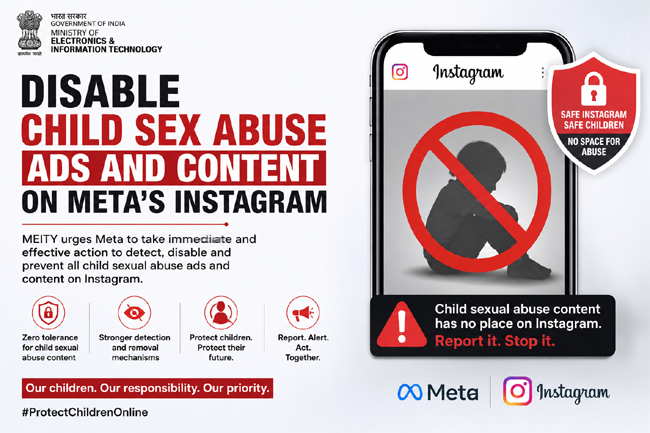
सूत्रों के मुताबिक, केंद्र सरकार ने Meta के Instagram को निर्देश दिया है कि वह ऐसे सभी विज्ञापनों और कंटेंट को बंद करे जो प्लेटफॉर्म पर बच्चों के यौन शोषण से जुड़े कंटेंट (CSAM) को बढ़ावा देते हैं या उन तक पहुँच आसान बनाते हैं।
शनिवार 4 जुलाई देर शाम इलेक्ट्रॉनिक्स और सूचना प्रौद्योगिकी मंत्रालय (Meity) की ओर से जारी एक नोटिस में
टेक्नोलॉजी की दिग्गज कंपनी Meta से सात दिनों के भीतर ऐसे कंटेंट की मौजूदगी पर विस्तार से जानकारी देने को भी कहा गया है, सूत्रों ने बताया।
एक वरिष्ठ सरकारी अधिकारी ने कहा, "हमने उन्हें CSAM के मामले में सख्त नोटिस जारी किया है और Instagram विज्ञापनों पर उनकी नीतियों के बारे में बताने को कहा है।"
पिछले हफ्ते, CSAM को बढ़ावा देने वाले विज्ञापनों के प्लेटफॉर्म पर चलने की खबरें सामने आने के बाद IT मंत्रालय ने Meta और Instagram के वरिष्ठ अधिकारियों को तलब किया था।
विज्ञापनों को बंद करने के निर्देश केंद्रीय IT मंत्री अश्विनी वैष्णव ने दिए थे। उन्होंने मंत्रालय के अधिकारियों को यह भी निर्देश दिया था कि वे Meta से इस बात का स्पष्टीकरण मांगें कि प्लेटफॉर्म पर इन विज्ञापनों की अनुमति कैसे दी गई।
Instagram के एक प्रवक्ता ने कहा कि प्लेटफॉर्म और उसकी मूल कंपनी Meta की CSAM (बच्चों के यौन शोषण से जुड़ा कंटेंट) मांगने या शेयर करने - जिसमें विज्ञापन भी शामिल हैं - के मामले में 'ज़ीरो टॉलरेंस' नीति है।
कंपनी के प्रवक्ता ने कहा, "हम नियमों का उल्लंघन करने वाले कंटेंट और लोगों का पहले से पता लगाने के लिए एडवांस्ड AI टेक्नोलॉजी का इस्तेमाल करते हैं, लेकिन हम उन अपराधियों से लगातार लड़ रहे हैं जो हमारे 3.5 अरब यूज़र्स के बीच छिपे होते हैं और हमारी पकड़ से बचने की कोशिश करते हैं।"
जारी किया गया नोटिस पिछले दो हफ़्तों में Meta को जारी किया गया दूसरा ऐसा नोटिस है।
इससे पहले, IT मंत्रालय ने Meta से कहा था कि वह WhatsApp का नया यूज़रनेम फ़ीचर तब तक लॉन्च न करे जब तक कि बातचीत पूरी न हो जाए। मंत्रालय ने इसके संभावित दुरुपयोग - जैसे कि किसी और का रूप धरकर धोखाधड़ी करना (impersonation), फ्रॉड और ऑनलाइन स्कैम - को लेकर चिंता जताई थी।
ये निर्देश तब आए जब WhatsApp ने घोषणा की कि वह जल्द ही यूज़र्स को फ़ोन नंबर के बजाय यूज़रनेम रिज़र्व करने और उसे दूसरों के साथ शेयर करने की सुविधा देगा।
जल्द ही, केंद्र ने इस फ़ीचर के साइबर अपराध और किसी और का रूप धरकर धोखाधड़ी करने (impersonation) के लिए दुरुपयोग किए जाने की चिंता जताई।
निर्देश जारी होने के बाद अपने बयान में, WhatsApp ने कहा कि उसके पास किसी और का रूप धरकर धोखाधड़ी करने (impersonation) को रोकने के लिए सख्त नीतियां और गाइडलाइंस मौजूद हैं। WhatsApp के एक प्रवक्ता ने कहा, “WhatsApp इस्तेमाल करने के लिए यूज़र्स को अभी भी फ़ोन नंबर की ज़रूरत होती है और हमने यूज़रनेम के ज़रिए होने वाले स्कैम से बचने के लिए सुरक्षा के कई इंतज़ाम किए हैं। दूसरे यूज़र्स को आपको मैसेज करने के लिए सही यूज़रनेम पता होना चाहिए; हम यह तय करेंगे कि कोई अकाउंट कितने नए लोगों से संपर्क कर सकता है, किसी के यूज़रनेम का अंदाज़ा लगाने की बार-बार की कोशिशों को रोकेंगे, और ऐसे सिस्टम रखेंगे जो दूसरों की पहचान चुराने (impersonation) और गलत इस्तेमाल (abuse) जैसी गतिविधियों का पता लगाकर उन्हें रोक सकें।”
पिछले दिनों को Meta के अधिकारियों के साथ हुई एक मीटिंग में, IT मंत्रालय के अधिकारियों ने यूज़रनेम फ़ीचर से जुड़ी सरकार की चिंताओं के बारे में भी बताया, और खास तौर पर यह भी बताया कि कैसे साइबर अपराधी इसका गलत फ़ायदा उठा सकते हैं।
"चाइल्ड एब्यूज (Child Abuse) वाले ऑनलाइन कंटेंट" से है, तो भारत की केंद्र सरकार की भूमिका कई स्तरों पर रही है:
कानून बनाना और लागू करना:
Ministry of Electronics and Information Technology (MeitY) और Ministry of Home Affairs ऑनलाइन चाइल्ड सेक्सुअल एब्यूज मटेरियल (CSAM) पर कार्रवाई के लिए नीतियां और दिशा-निर्देश लागू करते हैं।
आईटी नियम और प्लेटफ़ॉर्म की जिम्मेदारी:
Government of India ने Information Technology (Intermediary Guidelines and Digital Media Ethics Code) Rules, 2021 के तहत सोशल मीडिया और अन्य ऑनलाइन प्लेटफ़ॉर्म को अवैध सामग्री, जिसमें चाइल्ड सेक्सुअल एब्यूज से जुड़ी सामग्री भी शामिल है, हटाने और कानून प्रवर्तन एजेंसियों के साथ सहयोग करने की जिम्मेदारी दी है।
कानून प्रवर्तन:
Indian Cyber Crime Coordination Centre (I4C) और राज्य पुलिस की साइबर इकाइयाँ ऐसी सामग्री की पहचान, जांच और अपराधियों के खिलाफ कार्रवाई करती हैं।
POCSO Act का उपयोग:
Protection of Children from Sexual Offences Act, 2012 के तहत बच्चों के यौन शोषण, उससे संबंधित सामग्री के निर्माण, प्रसार और अन्य अपराधों पर कठोर दंड का प्रावधान है। इसके अलावा Information Technology Act, 2000 की कुछ धाराएँ भी लागू हो सकती हैं।
रिपोर्टिंग और ब्लॉकिंग:
सरकार नागरिकों को संदिग्ध ऑनलाइन सामग्री की शिकायत करने के लिए राष्ट्रीय साइबर अपराध पोर्टल उपलब्ध कराती है, और आवश्यक होने पर संबंधित वेबसाइटों या सामग्री को ब्लॉक कराने की प्रक्रिया अपनाई जाती है।
Disable child sex abuse ads and content on Meta's Instagram: Meity
Centre has also asked Meta to provide a detailed explanation on the presence of such content within 7 days
The Central government has directed Meta’s Instagram to disable all advertisements and content that promote and facilitate access to child sexual abuse material (CSAM) on the platform, sources said.
In a notice issued by the Ministry of Electronics and Information Technology (Meity) late on Saturday
evening, technology giant Meta has also been asked to provide a detailed explanation on the presence of such content within seven days, the sources said.
“We have issued them a stern notice on CSAM and asked them to explain their policies on Instagram advertisements,” said a senior government official.
Last week, the IT ministry summoned senior executives from Meta and Instagram after reports of the platform running ads promoting CSAM surfaced.
The directions to disable ads were issued by Union IT Minister Ashwini Vaishnaw, who had also instructed ministry officials to seek an explanation from Meta on how these ads were allowed on the platform.
A spokesperson for Instagram said the platform as well as its parent company Meta had a zero tolerance policy for soliciting or sharing CSAM, including in ads.
“We use advanced AI technology to proactively detect violating content and individuals, but we are in a constant battle with criminals who hide among our 3.5 billion users and try to evade our detection,” a spokesperson for the company said.
The notice issued on Saturday evening is the second such notice issued to Meta in the last fortnight.
Earlier, the IT ministry had asked Meta not to roll out WhatsApp’s new username feature until consultations are completed, amid concerns about potential misuse, including impersonation, fraud, and online scams.
The instructions came after WhatsApp announced it would soon allow users to reserve a username and share it with others instead of the phone number.
Soon, the Centre flagged concerns of the feature being misused for cybercrime and impersonation.
In its statement after the directive was issued, WhatsApp maintained it had strict policies and guidelines in place to prevent impersonation.
“Users still require a phone number to use WhatsApp and we have built multiple layers of defense against scams into usernames. Other users need to know the exact username to message you, we will limit how many new people an account can contact, block repeated attempts to guess someone’s username key, and have systems to detect and remove activity showing common impersonation and abuse patterns,” a spokesperson for WhatsApp had said.
In a meeting with Meta executives last Friday, IT ministry officials also explained the government’s concerns related to the username feature, and especially how it could be exploited by cybercriminals.